
You can’t eat Haitian food without pikliz.
Not because it’s required, but because it completes the meal.
Pikliz is not just a condiment.
It is balance.
It is interruption.
It is the sharp reminder that richness needs contrast and comfort needs fire.
In Haitian kitchens, pikliz lives at the center of the table. It cuts through heaviness, wakes up the palate, and reminds us that food is meant to move you, not lull you.
Every household has its own version. Some lean fiery. Some are more citrus-forward. Some are sharp enough to make your eyes water in the best way. Recipes are rarely written. They are passed down by taste, memory, and instinct.
What never changes is its purpose: to preserve, to awaken, to elevate.
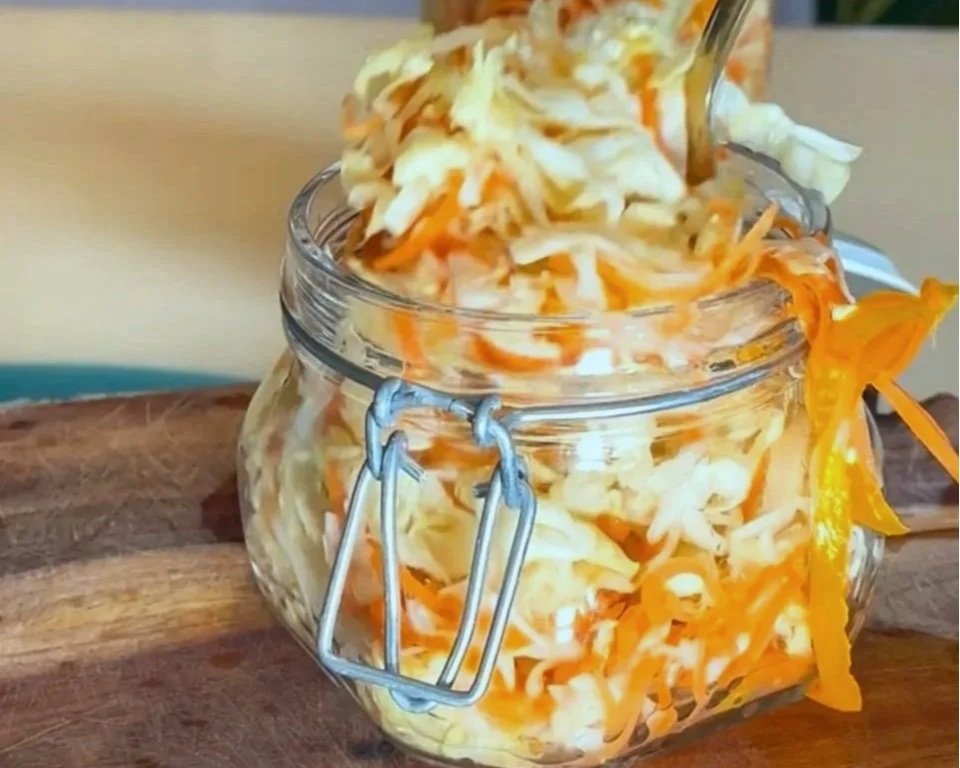
Pikliz in a jar
Preservation as Practice
Pikliz is rooted in necessity.
In Haiti, preservation has always been a form of survival. Vinegar, salt, citrus, and spice weren’t just flavor tools, they were ways to extend life, stretch resources, and protect food in a tropical climate.
Shredded cabbage brings structure and crunch. Carrots add sweetness and color. Onion deepens the base. Scotch bonnet peppers, floral, fragrant, unapologetic, carry the heat that defines the dish.
Pikliz teaches restraint and precision. Too much acid and it overwhelms. Too little heat and it loses its purpose. Balance is not accidental, it’s learned.
The Acid Is Personal
While white vinegar is classic and effective, my version layers in fresh lime and lemon juice, a nod to how citrus shows up across Haitian cooking.
Citrus brightens everything. It lifts the vegetables, softens the fire, and brings clarity to the bite. It’s not about replacing tradition, but about honoring how cooking evolves without losing its center.
How I Make Pikliz at Home
This is the version I return to, adaptable, bold, and alive.
Ingredients
• Green cabbage, finely shredded
• Carrots, julienned or grated
• Bell peppers (red, yellow, or orange), thinly sliced
• White onion, thinly sliced
• Scotch bonnet peppers, sliced or blended (adjust to heat preference)
• Fresh lime juice
• Fresh lemon juice
• White vinegar
• Salt to taste
• Optional: clove or thyme
Method
Combine all vegetables in a large bowl and massage lightly with salt to release moisture. Add citrus juice and vinegar until the vegetables are submerged. Adjust salt and heat to taste.
Transfer to a glass jar, seal, and let rest at least 24 hours before using. Pikliz deepens with time. Like most things worth keeping, it gets better as it sits.
There is no single correct version, only one that feels balanced to you.
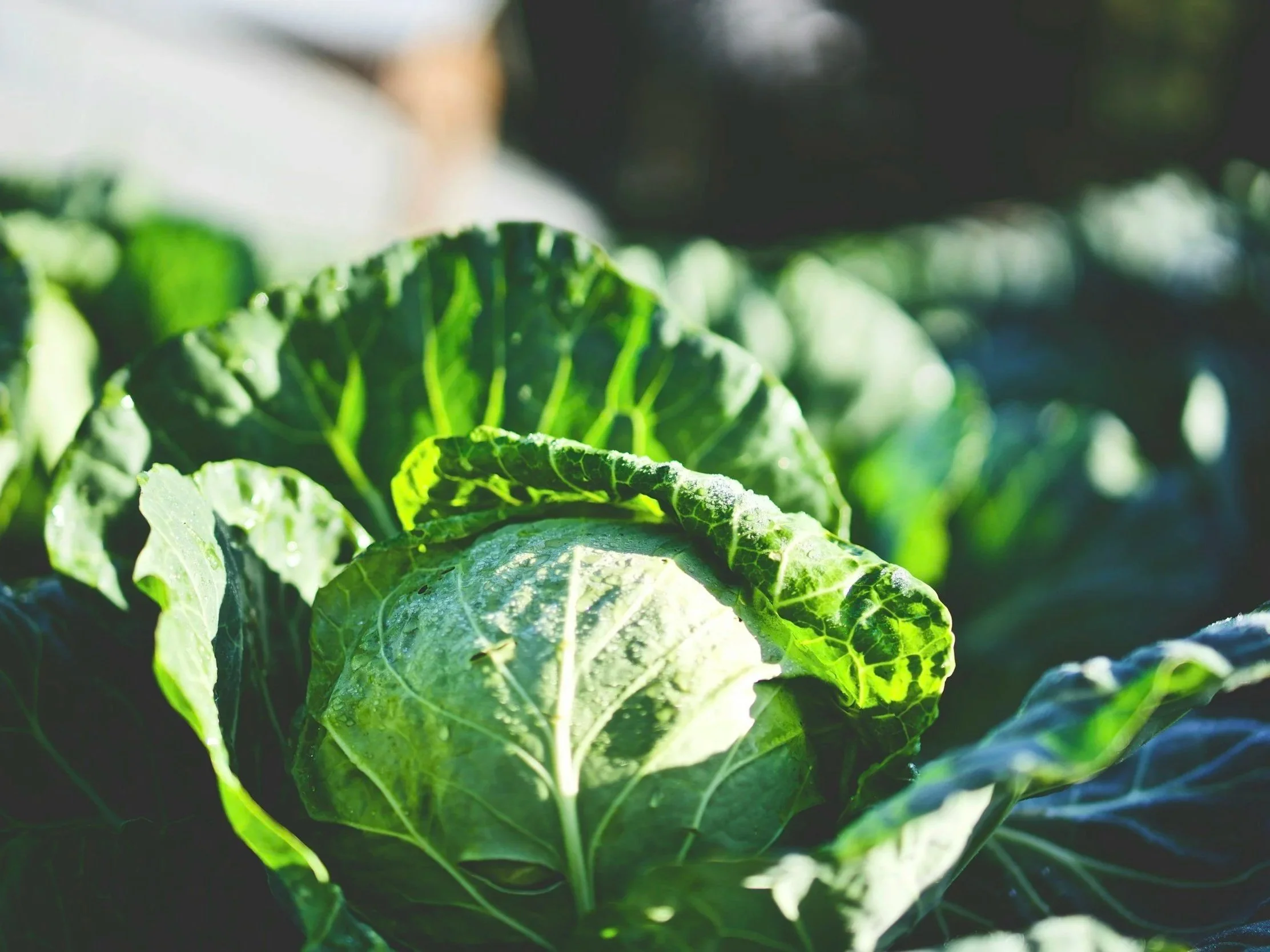
Cabbage is the star in Haitian Pikliz
Why Pikliz Matters
Pikliz exists to remind us that food is relational.
It balances fried foods.
It cuts through richness.
It brings sharpness where comfort might otherwise dull us.
But more than that, it reflects a Haitian philosophy of cooking, one rooted in awareness, contrast, and care.
We do not cook to overwhelm.
We cook to harmonize.
Carrying the Jar Forward
When I make pikliz, I am preserving more than vegetables.
I am preserving knowledge.
I am honoring improvisation.
I am continuing a lineage of cooks who understood that flavor is a language and balance is its grammar.
This jar holds heat, acid, memory, and intention.
And it belongs at the table.
For more recipes, workshops, and seasonal experiences rooted in Haitian culinary tradition, join the list.
