
Soup Joumou: A Soup of Freedom, Memory, and Collective Care
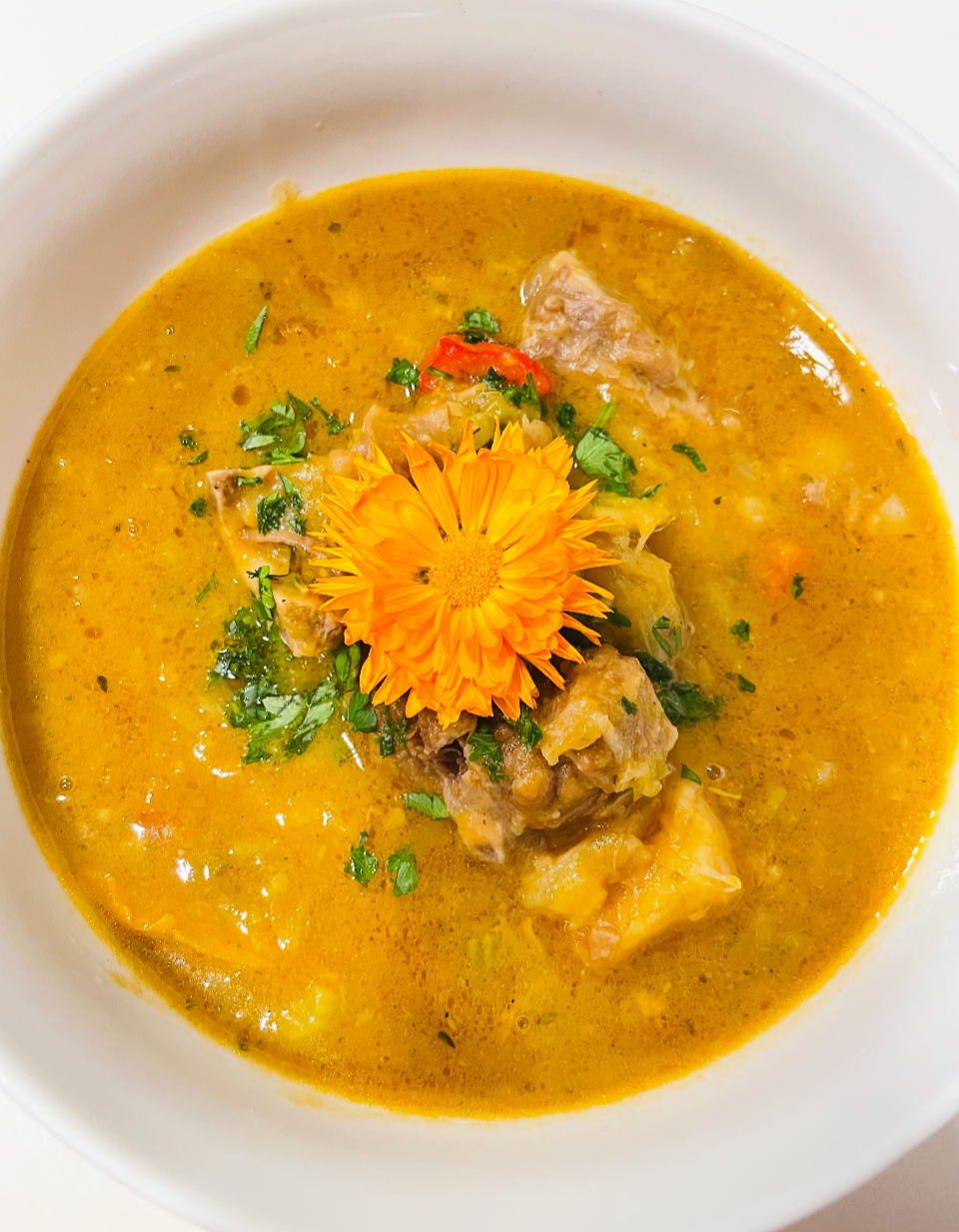
Every January 1st, Haitians around the world prepare Soup Joumou.
But this soup is not just food.
It is history.
It is resistance.
It is a declaration of freedom that has lived in our kitchens for over two centuries.
Soup Joumou is the national soup of Haiti, and its significance is deeply tied to the Haitian Revolution and the birth of the first free Black republic in 1804.
The Soup We Were Forbidden to Eat
During French colonial rule, enslaved Africans in Saint-Domingue (present-day Haiti) were forbidden from consuming Soup Joumou.
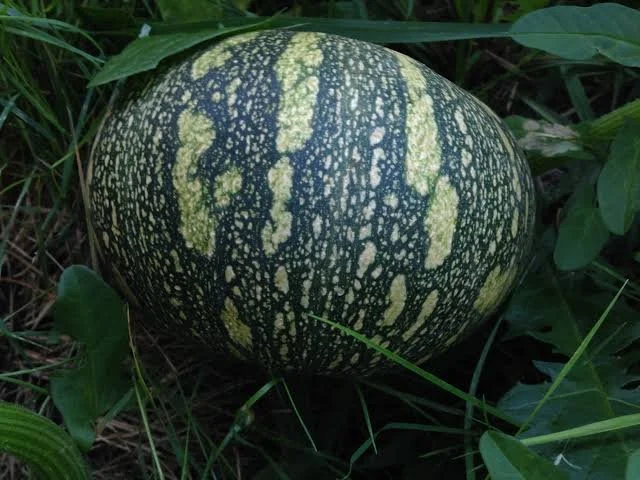
It was reserved exclusively for enslavers — a rich soup made with pumpkin (joumou), beef, root vegetables, herbs, and spices. The ingredients symbolized wealth and power, while enslaved people were denied both.
When Haitians won their independence on January 1, 1804, the first act of freedom was simple but radical:
we cooked the soup anyway.
Making Soup Joumou became an act of reclamation — of land, dignity, nourishment, and humanity. Every spoonful said: we are free, and we will feed ourselves.
To this day, Haitians prepare Soup Joumou on New Year’s Day not out of tradition alone, but as remembrance.
More Than a Recipe: Soup Joumou as Collective Care
Soup Joumou is intentionally communal. It is rarely made for one person.
Families gather early. Neighbors share bowls. Elders oversee the pot. Children learn by watching. This soup teaches us that freedom is sustained through community.
It reminds us that liberation is not just political — it is infrastructural:
Who grows the food
Who has access to clean water
Who controls land, labor, and distribution
Who gets to rest, eat, and gather safely
Soup Joumou asks us to consider not only where we’ve been, but how we care for each other now.
Why We’re Gathering: Soup Joumou, Community & Responsibility
This year, my Soup Joumou, Konpa & Champagne Experience is more than a celebration — it is a call back to each other.
Through food, music, poetry, art, and dance, we are creating a space where:
Haitian history is honored, not diluted
Community is centered, not commodified
Celebration and responsibility exist together
Part of the proceeds from this event will support infrastructure-focused initiatives in Haiti, including work tied to water access, agriculture, and sustainable development through organizations like P4H Global. Because honoring Soup Joumou means asking:
What does freedom look like today?
And the answer includes clean water, food sovereignty, infrastructure, and care systems that allow Haitian communities to thrive — not just survive.
Carrying the Pot Forward
When I serve Soup Joumou, I am serving memory.
When we gather around the table, we are practicing freedom.
When we reinvest in Haiti’s future, we honor the ancestors who fought for our present.
This soup has crossed oceans, generations, and borders — but its purpose remains the same:
To remind us that liberation must be nourished.
I invite you to join us, not just to eat, but to remember, celebrate, and build together.
Join Us
Soup Joumou, Konpa & Champagne Experience.
When: January 1
Activities: Food • Music • Art • Poetry • Dance
Purpose: Community • History • Impact
